

Standard scope of supply for this configuration.
Tell us the raw water source, the hourly flow you need and the target water quality. We will confirm capacity, recovery and power before you commit.
Raw wastewater is buffered in an equalisation tank so flow and load swings do not upset the biology.
A bar screen and grit chamber take out rags, plastics and sand ahead of the biological stage.
Anoxic and aerobic zones with submerged aerators remove BOD, COD and nitrogen; MBR units use a membrane instead of a clarifier.
Submerged or external membranes retain sludge and produce a clear permeate free of suspended solids.
Chlorination, UV or ozone is applied where reuse or discharge limits require it.
Surplus sludge is thickened and dewatered in a filter press for off-site disposal.
MBR permeate is typically below 10 mg/L BOD and under 5 NTU, suitable for reuse or strict discharge limits. Conventional units meet local discharge standards to specification.
MBR replaces the settling tank with membranes, so the footprint is much smaller, sludge quality is better and the effluent is consistent regardless of biomass settleability.
Maintenance cleaning every few weeks with citric acid or hypochlorite, and a recovery clean once or twice a year. Cleaning is done in place.
Yes. The equalisation tank absorbs peak flows and the blowers and permeate pumps modulate to the actual load, which is common on resort and industrial sites.
We supply the layout drawing, piping and instrumentation diagram and a commissioning checklist, with remote support during start-up.

There are multiple filtering devices in the pure water equipment, which can effectively filter and remove various impuri…
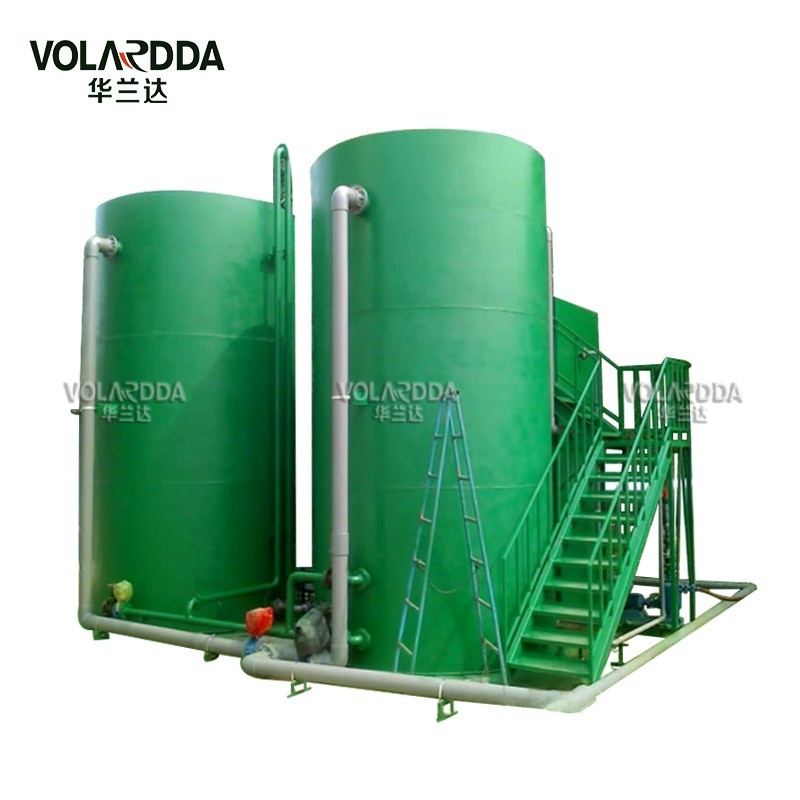
The main purpose of sewage treatment equipment is to treat domestic sewage and similar industrial organic wastewater to …
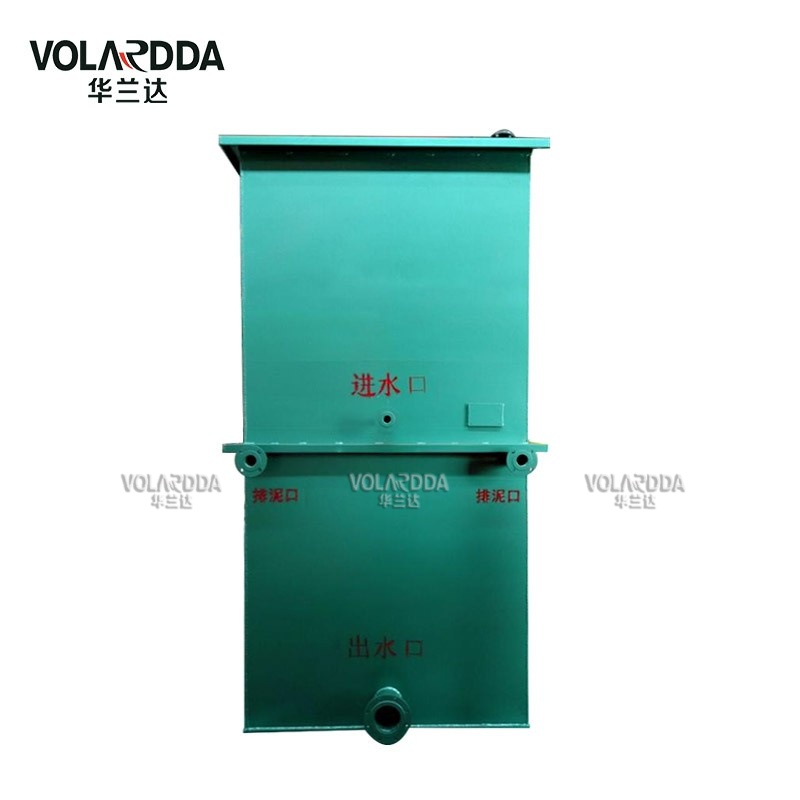
Treatment equipment used in the reclaimed water reuse system, using the effluent from the sewage treatment plant as the …