Containerized seawater desalination equipment is a modular system that integrates the entire seawater desalination process into a standard container. It features high integration, mobility, and rapid deployment, and can flexibly meet freshwater needs in scenarios such as islands, coastal water-scarce areas, ocean-going ships, and emergency response.
Core Components
With a standard container as the carrier, the following complete systems are integrated inside:
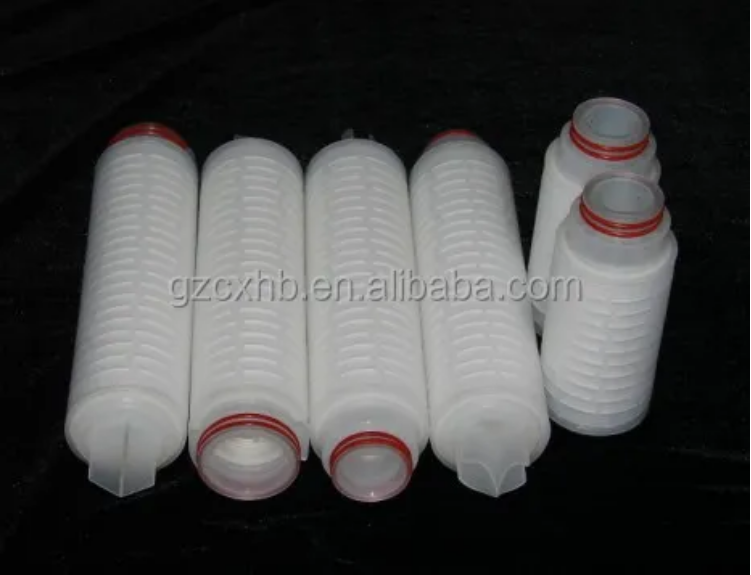
Pretreatment Unit: Includes quartz sand filters, activated carbon filters, and precision filters. It removes impurities such as sediment and suspended solids from seawater to protect subsequent components.
Core Desalination Unit: The mainstream is the Reverse Osmosis (RO) system, equipped with high-pressure pumps and dedicated membrane modules, serving as the core of the desalination process.
Post-treatment Unit: Adjusts the pH value of freshwater, adds minerals, and ensures freshwater meets standards through precision filtration.
Auxiliary System: Comprises a PLC control system, pipelines and valves, energy recovery devices, etc., to ensure stable operation.
Protective Components: The container has anti-corrosion and thermal insulation properties; the interior is equipped with ventilation and shock absorption devices to adapt to harsh environments.
Working Principle (Taking Reverse Osmosis as an Example)
Seawater passes through the pretreatment unit to remove impurities, meeting the water inlet requirements of the RO system.
A high-pressure pump pressurizes the seawater (to 5.5-6.0MPa) and sends it to the RO membrane module. Water molecules pass through the membrane to form freshwater, while salts and other substances are retained to form concentrated brine.
The concentrated brine is discharged (some can be reused); high-end equipment recovers pressure energy from the concentrated brine for energy conservation. After post-treatment, the freshwater is stored and delivered to users.
Typical Advantages
Rapid Deployment: Easy to transport; after connecting water, electricity, and pipelines at the destination, it can be started within 1-3 days, much faster than fixed desalination plants.
Easy Expansion: A single unit can produce several tons to hundreds of tons of freshwater per day; multiple units can be connected in parallel to meet larger demand.
Stable Operation: Adapts to environments such as -20℃ to 45℃, high humidity, and turbulence, making it suitable for remote scenarios.
Easy Operation & Maintenance: Equipped with an intelligent PLC control system, enabling one-click start/stop, real-time water quality monitoring, and fault alarms, reducing manual work.
Applicable Scenarios
Freshwater supply for island residents, water supply for ocean-going ships, industrial water use in coastal areas, emergency rescue (e.g., after floods), etc.
Need Help Choosing the Right System?
Send your water analysis, required capacity and site location — our engineers will reply with a tailored solution within 24 hours.