Core difference: difference in purification accuracy and water quality
Water purifier: the "basic guard" to protect the safety of daily drinking water in the family
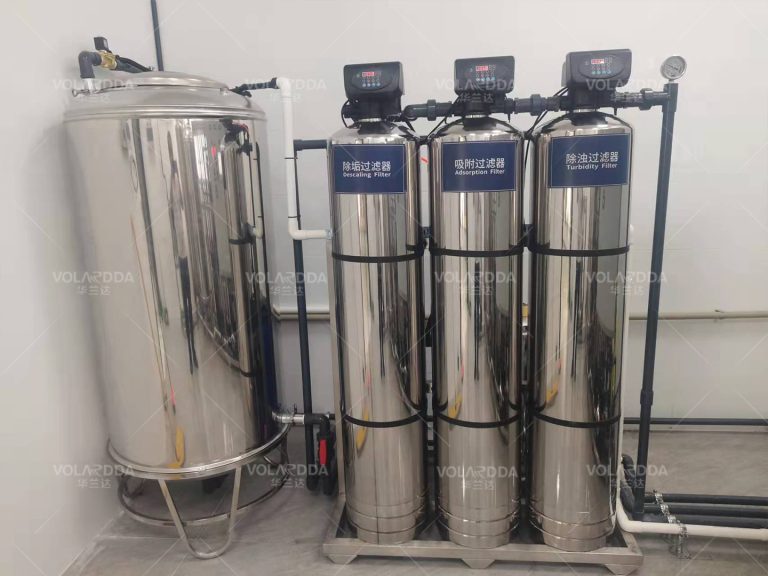
Water purifiers usually use 0.001 micron filter elements (such as ultrafiltration membranes and activated carbon combinations), which can effectively remove 98% of bacteria, colloids, organic matter and some heavy metals (such as lead and cadmium) in the water, while retaining minerals such as calcium and magnesium. The filtered water tastes sweet and close to mineral water, suitable for direct drinking or cooking. Some models will produce a certain proportion of concentrated water, and you need to pay attention to the wastewater ratio when using it.
Water purifier: the "laboratory-level choice" for the pursuit of ultimate purity
The water purifier uses a 0.0001 micron reverse osmosis membrane (RO membrane), which can intercept almost all impurities in the water, including heavy metals, scale, bacteria, viruses and organic pollutants. The purified water quality is close to distilled water. Because it is completely free of minerals, the water tastes "soft" and is often used in laboratories, medical scenarios or industrial uses with extremely high water quality requirements (such as pharmaceuticals and electronic chip cleaning).
Application scenario comparison: precise matching of home and professional needs
Applicable scenarios of water purifiers:
Home scenarios: suitable for direct drinking, soup making, and tea brewing in the kitchen, especially for families who focus on retaining minerals.
Water quality treatment: suitable for treating secondary pollution of municipal tap water (such as rust and residual chlorine). No power is required during installation, and the cost of replacing the filter element in the later stage is low.
Applicable scenarios of pure water machine:
Special needs: maternal and infant milk (can be combined with mineral supplements), coffee/tea brewing (avoid scale affecting flavor).
Professional scenarios: laboratory analysis, medical dialysis, water for precision instruments, etc.; also suitable for areas with high hardness water (serious scale) or excessive heavy metals in groundwater. It should be noted that the pure water machine needs to be powered to drive the water pump, the wastewater ratio of some models is 1:1, and the cost of replacing the RO membrane is high.
Purchase suggestions
Basics for judging water quality
If the local water quality is relatively soft (municipal tap water meets the standard), you can choose a water purifier; if the water quality is hard (water is easy to scale when boiling) or there is a risk of heavy metals, give priority to pure water machines.
Clear usage needs
Daily drinking water and cooking at home: water purifiers are more economical and practical, and retaining minerals is more in line with the concept of health (World Health Organization research shows that minerals in drinking water are a source of supplementary trace nutrients for the human body).
Special scenarios: such as baby milk (you can use a pure water machine to purify first, then add minerals), coffee machine anti-scaling, pure water machines are more suitable.
Pay attention to technical details
Water purifier: give priority to ultrafiltration + activated carbon composite filter element, check whether there is an authoritative certification such as NSF;
Pure water machine: pay attention to RO membrane brands, wastewater ratio (more energy-saving above 1:1) and post-activated carbon configuration to improve taste.
Summary: There is no "better", only "more suitable"
The first choice for home use: water purifier is cost-effective, suitable for most municipal water quality, retains natural minerals, and meets daily drinking water needs;
Purifier for professional scenarios: laboratories, medical treatment or areas with high hardness water quality, extreme filtration is required to ensure water safety.
Note: No matter which device is chosen, regular replacement of the filter element is the key (usually the filter element of the water purifier is replaced every 6-12 months, and the RO membrane of the water purifier is replaced every 2-3 years) to ensure that the water quality continues to meet the standards.
Need Help Choosing the Right System?
Send your water analysis, required capacity and site location — our engineers will reply with a tailored solution within 24 hours.